




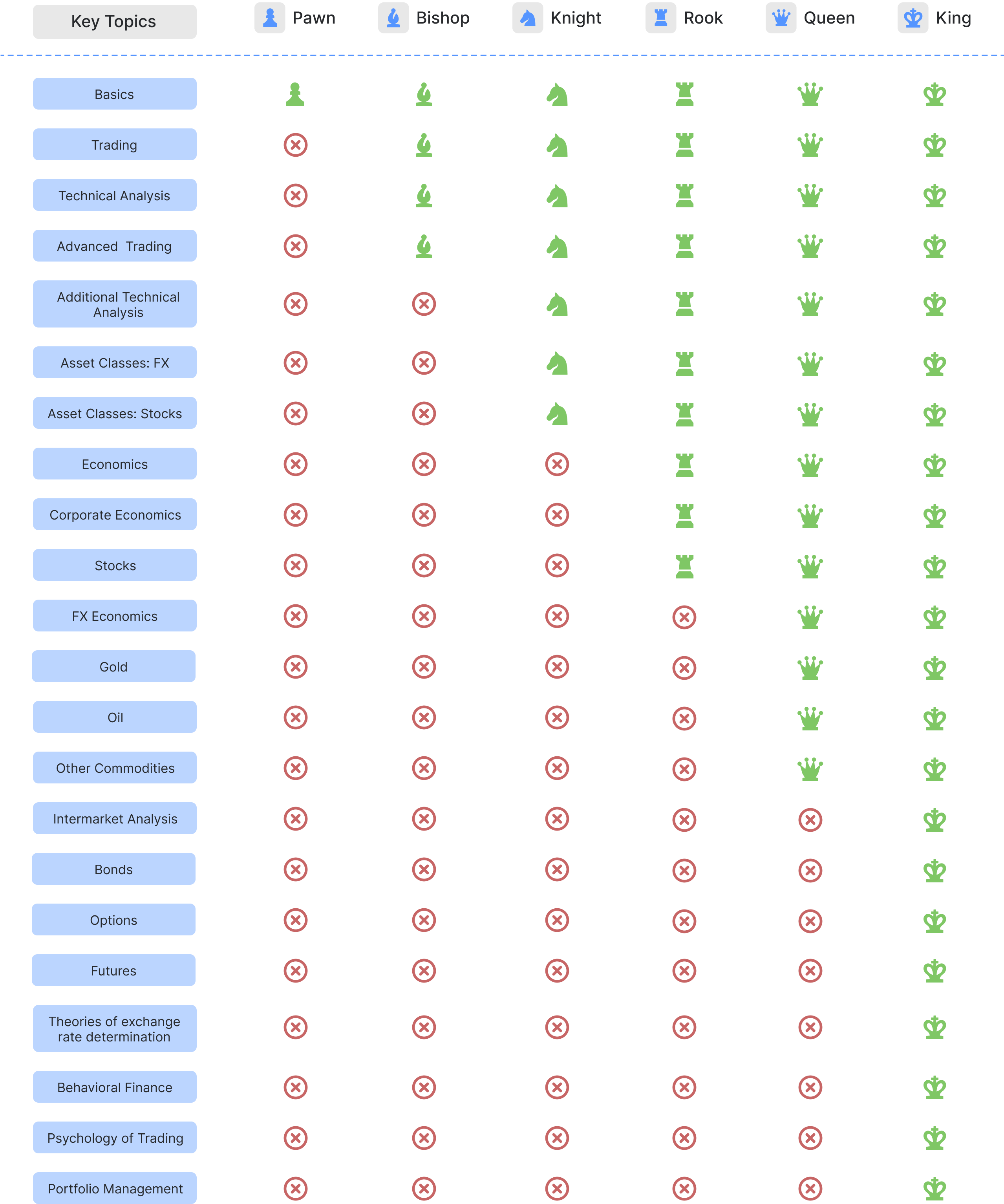


of Educational Packages

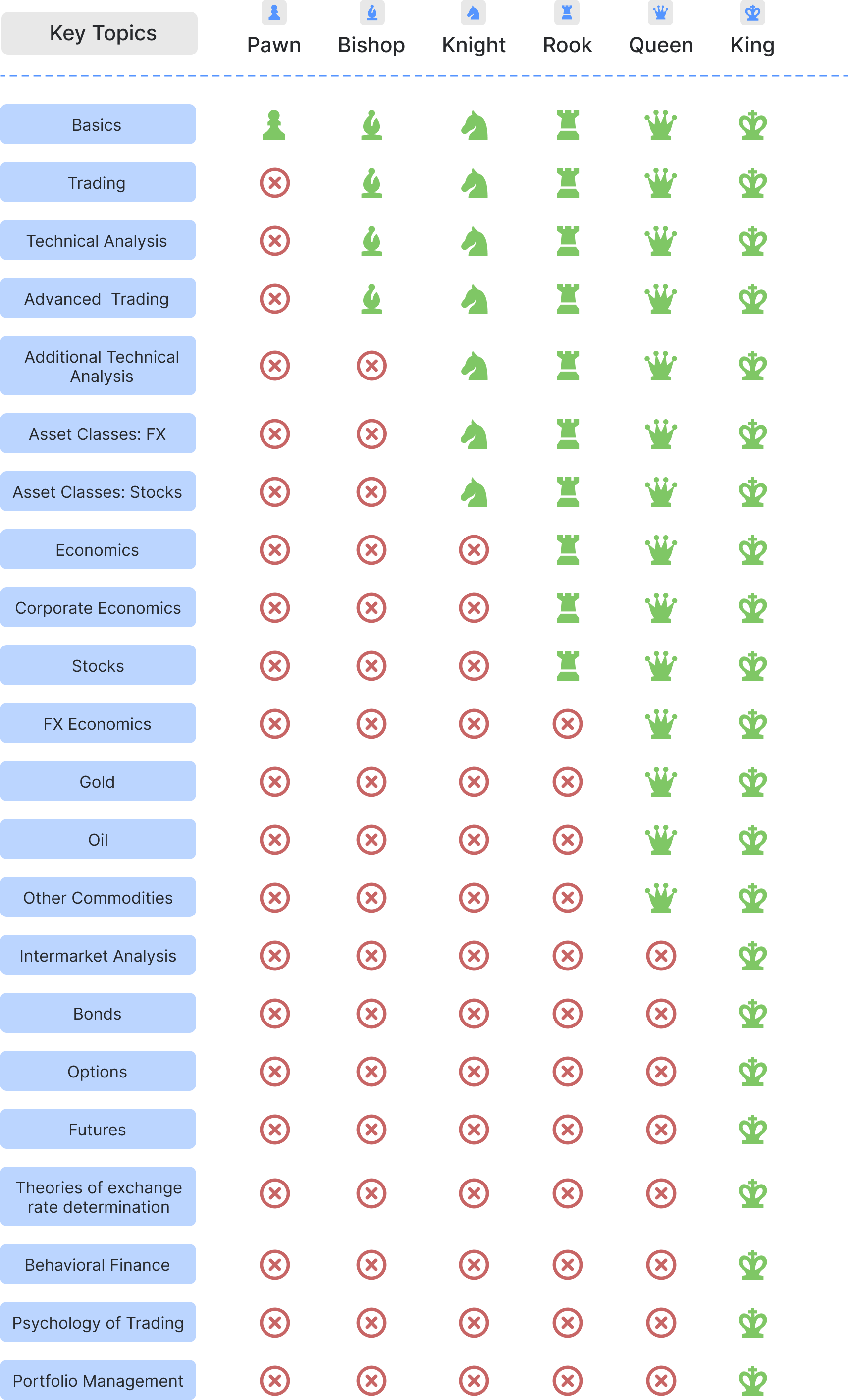
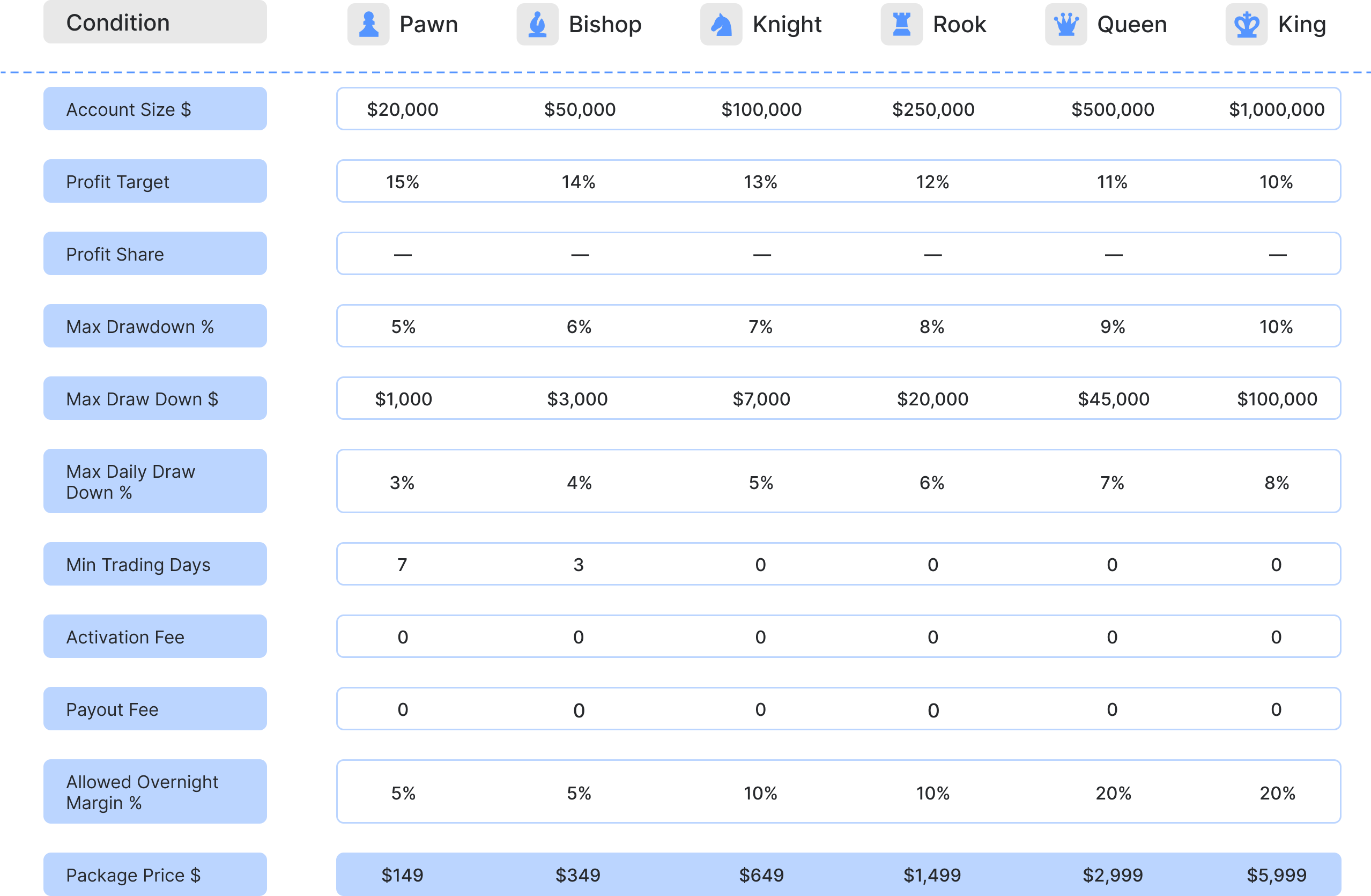
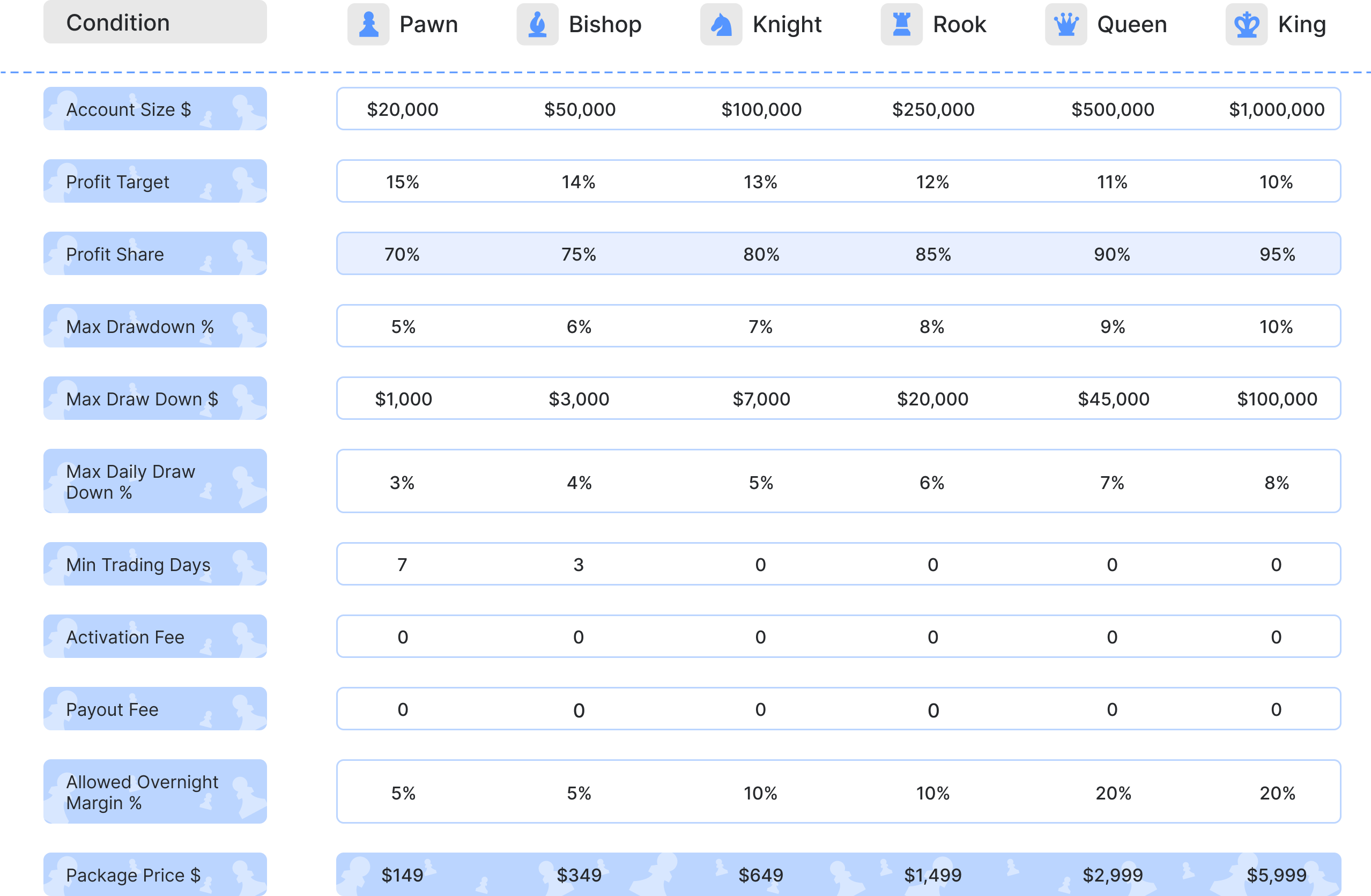



This section of the course is designed to give you a comprehensive introduction to the world of trading. You’ll start by exploring what trading actually involves, laying the foundation for understanding its key concepts. We’ll then dive into the different types of trading, helping you decide which style aligns with your goals and preferences. From there, we’ll examine the various markets you can trade in, providing insights into the options available to you. You'll learn the mechanics of trading, including how to execute trades and the types of orders you can place. The course will also cover important concepts such as margin and leverage, which are crucial for managing risk and enhancing your trading potential. Additionally, we’ll discuss position sizing, ensuring you understand how to effectively manage your trades. To succeed in trading, you’ll need to grasp a range of skills and knowledge, which we’ll address, along with how to develop a robust trading strategy tailored to your objectives. Finally, we’ll introduce you to various miscellaneous trading terms to round out your understanding. By the end of this section, you’ll have a solid grasp of the fundamentals necessary to embark on your trading journey.

In this comprehensive course, we will delve into the multifaceted world of trading, starting with an exploration of the three main types of analysis: technical, fundamental, and sentiment analysis. Each method offers unique insights, and we will evaluate which might be the best fit for different trading scenarios. We'll then move on to developing your own trading plan, discussing its importance, the discipline required for consistent profitability, and how to tailor a trading style to suit your personality and objectives. Key considerations such as risk capital, time commitment, expected returns, daily routines, and necessary tools will be covered in detail.
Understanding risk management is crucial, and we will define it clearly, explain the concept of drawdown, and emphasize the importance of not risking more than 2% per trade. We will also discuss the reward-to-risk ratio and provide a summary of best practices in risk management. Keeping a trading journal is another critical habit, and you will learn what to include in your journal, how to analyze your trading activities, and the benefits of regular review.
Your trading setup will be examined, from the technical requirements like computer and internet connections to the importance of analytical software, independent price feeds, and staying informed with an economic calendar and news sources. The course will also cover setting stop losses, detailing four types of stop losses and common mistakes to avoid.
We will explore the strategies of scaling in and out of positions, creating your own trading system, and the nuances of scalping, which involves very short-term trading. Additionally, you will learn about carry trades, which are typically for longer-term investors, and the different types of equity trades including technical, momentum, and news-based trades.
A unique aspect of the course will be the examination of how men and women traders differ, particularly in response to stress and risk-taking. Finally, we will reveal the true secret of trading: there is no shortcut to success. It requires hard work, continuous study, and the ability to navigate uncertainty. This course aims to equip you with the knowledge and skills necessary to thrive in the dynamic world of trading.

In this course section, we will explore the fundamentals of technical analysis, a method used to evaluate financial markets and forecast future price movements based on historical data. We’ll begin by understanding what technical analysis is and then delve into the four main types of charts that traders use to visualize market trends. You'll learn how to interpret trend lines, support, and resistance levels, which are crucial for identifying potential entry and exit points. We’ll cover the concepts of channels, breakouts, and reversals, and examine how reversal and continuation patterns signal shifts in market trends. Key chart patterns, moving averages, and various oscillators and momentum indicators will also be discussed to enhance your analysis skills. Additionally, we’ll explore other popular chart indicators and pivot points to further refine your trading strategies. As part of our exploration, we will analyze how these tools fit within the broader market environment and assess their effectiveness through academic evidence, shedding light on whether technical analysis truly works as a predictive tool.

In this section of the course, you'll dive into essential trading strategies designed to enhance your market analysis and decision-making. First, we'll explore how to identify and trade breakouts and fakeouts, which involves recognizing key moments when price movements break through established levels or appear to do so, only to reverse direction. You'll learn how to differentiate between genuine trading opportunities and misleading signals that can lead to losses. Next, we'll cover the concept of trading divergences, which helps you spot potential reversals by comparing price action with indicators, revealing when the market might be poised for a shift. Lastly, we'll introduce multiple time frame analysis, a technique that involves examining price trends across various time scales to get a more comprehensive view of market behavior. By integrating these methods, you'll develop a robust approach to trading that considers both immediate market movements and broader trends, empowering you to make more informed and strategic decisions.

In this course section, you'll dive into key techniques used for analyzing financial markets. You’ll start by exploring Japanese candlesticks, a popular method for visualizing price movements in trading. From there, you’ll learn about various candlestick patterns and how they can signal potential market trends. The course will then introduce you to Ichimoku clouds, a comprehensive indicator that provides insights into support and resistance levels, as well as trend direction. You'll also study the Fibonacci series and its application in predicting price retracements and extensions, which helps in forecasting future market movements. Additionally, the Elliott Wave theory will be covered, illustrating how market trends often follow repeating patterns that can be used to predict future movements. Harmonic Price Patterns will also be discussed, showing how specific patterns in price action can indicate potential reversals or continuations in the market. To provide a solid foundation, the course includes a brief overview of introductory economics, fundamental analysis, and their relevance in understanding market behaviors and making informed trading decisions.

In this section of the course, we will delve into the fascinating world of Forex trading, starting with a clear explanation of what FX, or foreign exchange, actually is. You'll learn about the FX market, which is the global marketplace where currencies are bought and sold. We'll explore the reasons why people trade Forex, including the potential for profit and the market's accessibility. You'll gain insights into the various participants in the FX market, from individual traders to large financial institutions, and understand the optimal times for trading. Additionally, we will cover how currencies are quoted, breaking down the terminology used to express currency values. Finally, we’ll introduce you to key concepts such as pips and lots, which are essential for understanding how trades are measured and executed. This section aims to provide a comprehensive overview of Forex trading, equipping you with the foundational knowledge to navigate the FX market confidently.

This section of the course delves into the essentials of stock trading, starting with a clear explanation of what a stock is—a unit of ownership in a company that can be bought or sold. It will guide you through the various venues where stocks are traded, including major stock exchanges and electronic trading platforms. You'll gain insight into stock market indices, which track the performance of a group of stocks to provide a snapshot of market trends. The course will also explore the factors that influence stock prices, such as economic events, company performance, and market sentiment, to help you understand what drives price fluctuations. Additionally, you'll learn about alternative methods for buying stocks beyond traditional exchanges, including direct stock purchase plans and online brokerages. Lastly, the course will cover important trading concepts like requotes and slippage, which can affect your trades by causing discrepancies between expected and actual execution prices. This comprehensive overview aims to equip you with a solid foundation in stock trading, empowering you to navigate the market with confidence.

In this course section, you'll delve into the complex world of foreign exchange (FX) economics, starting with an introduction to the foundational concepts. You'll explore how the balance of payments—an economic record of all transactions between a country and the rest of the world—plays a crucial role in understanding currency values. The course will cover the impact of official interventions by central banks, which can influence exchange rates and economic stability. You'll learn about the current account, which tracks a country's trade balance, and the financial account, which records capital flows. These elements are interconnected with the savings and investment balance, shedding light on how they affect currency movements. Additionally, you'll examine how inflation influences FX rates and explore the relationship between interest rates, exchange rates, and forward rate bias. The course will also address how economic growth impacts currency values, providing a comprehensive view of how various economic factors intertwine to shape the FX market.

In this course section, we'll explore the fundamental aspects of global currency markets and their impact on economic dynamics. We’ll start by examining key economic indicators that influence financial markets worldwide, such as GDP, inflation rates, and employment figures. Understanding these indicators will help us grasp how they shape currency value and market trends. Next, we'll delve into the characteristics of different currencies, including their unique features and the factors driving their fluctuations. We’ll also cover currency crosses, which are pairs of currencies traded against each other, and how these trades can offer opportunities in various market conditions. Market sentiment, or the overall attitude of investors towards a market, will be a focus, revealing how collective perceptions can drive price movements. We’ll look at trading the news, which involves making strategic decisions based on economic announcements and reports. Carry trades will be examined to understand how traders seek profit from interest rate differentials between currencies. Additionally, we’ll cover the US Dollar index, a measure of the dollar’s value against a basket of major currencies, and its significance in the forex market. Finally, we’ll explore currency correlations, which show how different currencies move in relation to each other and how these relationships can influence trading strategies. Overall, this section will equip you with a comprehensive understanding of how these elements interact within the global currency market.

In this section of the course, we will dive into the fundamental aspects of financial reporting, starting with the basics and moving through key financial statements such as the Balance Sheet, Income Statement, and Cash Flow Statement. You'll gain an understanding of how each of these documents provides insight into a company's financial health and performance. We will also explore the tax implications of choosing between debt and equity financing, helping you understand how these decisions impact a company's tax burden. Additionally, you'll learn how to analyze balance sheets to assess a company's financial stability and how to value a company by examining various valuation techniques. Our discussions will also cover the nuances of stock and sector selection, guiding you in making informed investment choices. Finally, we will address the concept of financial shenanigans, shedding light on common practices that may obscure a company's true financial condition and teaching you how to spot red flags. This comprehensive approach will equip you with the knowledge to interpret financial statements effectively and make sound financial decisions.

In this course section, we’ll delve into the intricate world of FX Economics, focusing on how currency exchange rates are influenced by various economic factors. We’ll explore indicators that are unique to individual countries, which help in understanding their specific economic health and trends. These indicators are essential for making sense of how different national economies interact in the global market. Additionally, we’ll examine the role of central banks and their policy-making processes, uncovering how their decisions can shape currency values and overall economic stability. To round out our study, we’ll analyze country economic profiles, providing a comprehensive view of each nation’s economic strengths, weaknesses, and their impact on international finance. This will equip you with a nuanced understanding of the forces driving currency movements and economic interactions across different regions.

In this section of the course, we'll delve into the fascinating world of gold, exploring why it remains a sought-after asset. We'll start by understanding the reasons behind people’s desire to buy gold, from its historical value to its role as a safe haven in times of economic uncertainty. Next, we'll examine the supply of gold, looking at where it comes from and the factors that affect its availability. We'll also investigate what drives the price of gold, analyzing market dynamics and external influences that cause fluctuations. As we progress, you'll learn how to analyze gold effectively, using various methods to assess its market position. We’ll also cover the intricacies of how gold is traded, providing insights into the mechanisms and platforms involved. Finally, we'll address the challenges and problems that can arise in the gold market, including issues of market manipulation, liquidity, and other obstacles that investors and traders might face. This comprehensive overview will equip you with a solid understanding of the gold market and its complexities.

In this course section, we'll explore the intricate world of oil trading, starting with an overview of why oil is a critical commodity in global markets. We’ll delve into the fundamental aspects of oil, including its various types and how they impact trading strategies. Understanding what influences oil supply and demand is essential; thus, we will examine the key factors that affect these dynamics, from production levels and technological advancements to economic and political developments. We’ll also highlight the crucial data points that traders should monitor to make informed decisions. Lastly, we’ll address the significant role of geopolitics in the oil market, exploring how international relations and political events shape oil prices and trading opportunities. This comprehensive look will equip you with the knowledge to navigate the complexities of oil trading effectively.

In this section of the course, we will delve into the world of various commodities, focusing on their distinct categories and significance. We'll explore agricultural commodities, which include essential products such as grains, fruits, and livestock that are pivotal for global food supplies and economies. These commodities are influenced by seasonal changes, weather conditions, and agricultural practices, making them both dynamic and crucial. Moving on, we'll examine base metals, which are fundamental materials like copper, aluminum, and zinc, used extensively in construction, manufacturing, and technology. Understanding base metals involves looking at their extraction processes, market demands, and their role in industrial applications. By the end of this section, you'll gain insight into how these commodities impact economies and industries worldwide, and how their markets operate.

In this section of the course, we will delve into the intricate relationships between different financial markets, with a particular focus on how oil and foreign exchange (FX) markets interact. We'll explore how changes in the oil market can influence currency values and vice versa, helping you understand the broader economic connections at play. Additionally, we'll examine the concept of intermarket correlations, which are essential for grasping how various financial instruments and markets are interrelated and affect one another. This understanding will be crucial as we look into using equities, or stock markets, as a tool for trading FX. By analyzing how stock market movements can impact currency markets, you'll gain valuable insights into making informed trading decisions and managing risks effectively. This comprehensive approach will equip you with the knowledge to better navigate the complexities of global financial markets and enhance your trading strategies.

In this section of the course, we’ll delve into the world of bonds, exploring their various types and the fundamental theories that explain how yield curves are determined. You’ll gain an understanding of what bonds are, how they function, and the different forms they can take, from government to corporate bonds. We’ll also cover the concepts of bond returns, examining how investors earn from these financial instruments and what factors influence their performance. Additionally, we’ll discuss the risks associated with holding bonds, such as interest rate risk, credit risk, and inflation risk, providing a comprehensive view of the potential challenges and considerations involved in bond investments. By the end of this section, you should have a well-rounded grasp of how bonds work, their various forms, how their yields are shaped, and the risks investors might face.

This section of the course delves into the fundamental concepts of options trading, starting with an introduction to what options are and the basics of how they work. You'll explore how various factors influence the pricing of options, including the pivotal "Greeks," which are metrics used to assess the key elements affecting option prices. The course also covers option theory, providing a deeper understanding of how options are priced and valued. You'll learn about different strategies for call options and put options individually, and then see how these strategies can be effectively combined to create more complex trading approaches. By the end of this section, you'll gain a comprehensive grasp of options trading and how to apply these strategies to potentially enhance your trading

This section of the course dives into the intricate world of financial futures and their role in the market. We start by exploring the concept of futures contracts, including their fundamental mechanics and the various types available. Futures contracts are agreements to buy or sell an asset at a predetermined future date and price, and understanding them is crucial for grasping how financial markets operate. We will also examine how interest rates and the yield curve impact futures pricing, and differentiate between spot rates, which reflect current prices, and forward rates, which are future price expectations. The course will explain the determinants that influence futures prices and how these prices fluctuate based on market conditions. Additionally, we will cover the various uses of futures, from hedging against risk to speculating on market movements, and how they interact with options. By the end of this section, you will gain a comprehensive understanding of futures contracts, their market mechanics, and their strategic applications in finance.

In this section of the course, we'll delve into various theories and models that explain how exchange rates are determined and influenced by economic factors. We'll start by exploring the concept of purchasing power parity, which suggests that exchange rates should adjust to equalize the price of identical goods and services in different countries. Moving on, we'll examine macroeconomic balance, focusing on how overall economic conditions affect exchange rates. We'll also discuss current account imbalances, which occur when a country’s imports and exports are not in equilibrium, and how these imbalances can impact currency values. Capital flows, which refer to the movement of investments across borders, will be analyzed for their role in shaping exchange rates. Additionally, we'll study the Mundell-Fleming model, which integrates monetary and fiscal policies in an open economy context. The monetary approach will be covered to understand how money supply and demand affect currency value, while the portfolio balance approach will shed light on how investors' preferences for assets influence exchange rates. Lastly, we'll look into central bank interventions and how central banks influence exchange rates through their monetary policies and market operations. This comprehensive exploration will help you understand the intricate dynamics that drive exchange rate fluctuations in the global economy.

In this course section on Behavioral Finance, we will delve into the intriguing world of how psychological factors impact financial decision-making. We’ll start by exploring the concept of behavioral finance itself, which combines insights from psychology and economics to better understand how people make investment and financial decisions. Unlike traditional finance theories that assume markets are always efficient and rational, we'll examine why the efficient market hypothesis falls short in real-world scenarios. This theory, which suggests that all available information is perfectly reflected in asset prices, often overlooks the irrational behaviors and biases that people exhibit. We’ll also investigate a range of cognitive biases that can skew our financial judgments, such as overconfidence, loss aversion, and anchoring. By analyzing these biases, we'll uncover how they lead to decisions that deviate from what purely rational models would predict, offering a richer perspective on market dynamics and individual financial behavior.

In this section of the course, we'll delve into the intricate relationship between physiology and emotions in trading. We'll explore how the physiological responses triggered by trading can impact your emotional state and decision-making processes. By understanding how your body reacts to the pressures and stresses of trading, you can learn to manage these reactions more effectively. We'll cover techniques for recognizing and coping with the stress inherent in trading, helping you to maintain emotional balance and make more informed decisions. This segment is designed to provide you with practical insights and strategies to enhance your trading performance by addressing both the mental and physical aspects of the trading experience.

In this section of the course, we will dive into the intricate world of portfolio management, exploring both foundational theories and contemporary practices. We'll start by examining the Efficient Market Hypothesis (EMH), which proposes that financial markets are so efficient that it’s impossible to consistently achieve higher returns than the overall market without taking on additional risk. We'll also address the criticisms of this hypothesis to understand the debate surrounding market efficiency. Building on this, we'll explore the Capital Asset Pricing Model (CAPM), which provides a framework for assessing the relationship between risk and expected return, offering insights into how assets should be priced in an efficient market. Additionally, we'll delve into Harry Markowitz’s concept of the Efficient Frontier, which helps investors construct portfolios that maximize returns for a given level of risk. The course will also cover sector strategies and the principles of strategic and tactical asset allocation, illustrating how to effectively distribute investments across different asset classes and sectors to achieve specific financial goals. To deepen our understanding, we’ll review some academic theories from Quantipedia, offering a broad perspective on modern portfolio management and investing. Finally, we’ll touch upon Herman Brodie’s contributions, which provide valuable insights into investment strategies and portfolio optimization. Through this comprehensive exploration, you'll gain a well-rounded grasp of both traditional and cutting-edge portfolio management techniques.